
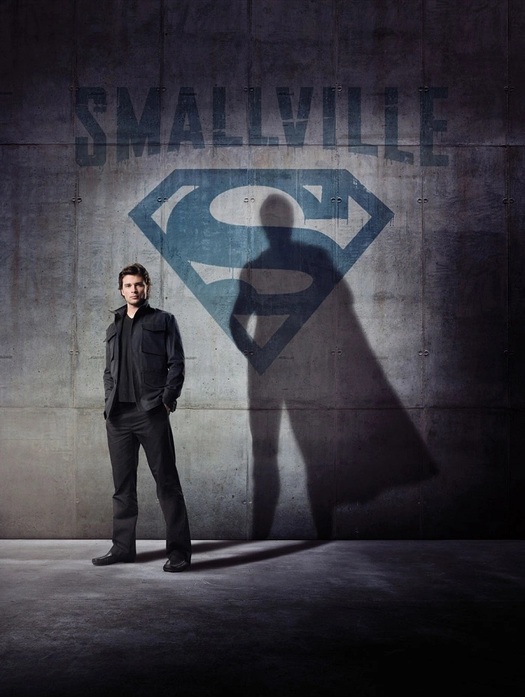
Smallville is an American television series that premiered in 2001 and tells the story of Superman in an unconventional way: instead of the already familiar superhero, we are introduced to a young Clark Kent, who is still trying to find his place in the world and understand what kind of person he wants to become.
Between Two Selves
Perhaps this is the most intriguing part of Clark’s story. For anyone who has watched the films released over the years or read the comics or books, the basic premise is already familiar: our protagonist will one day become Superman. It might sound ridiculous, to put it this way, but that is precisely the point here: Clark has no idea what he is supposed to do with himself. He knows that he is different from other people, senses that he is destined for something great, but he doesn’t yet know what kind of person he wants to become.
This uncertainty may be more familiar than we initially realise, except we do not have to save a small town from some villain or complete destruction. It is enough to decide what we want to do with our own lives and fight our battles there.
A perfect example of this is university or higher education and our role within it. What should we study? Which direction should we take after graduation? Do we want to build the life we imagined for ourselves, or are we merely trying to construct the life that others envisioned for us?
It is interesting to reflect on how, when we first start our higher education, we have so many opportunities to figure out which direction we want to take and who we want to be, while as time goes by, we increasingly feel as though we already have definitive answers to these questions.
Searching Is Not the Same as Being Lost
But what if we are not supposed to know yet?
It is easy to think of the concept of identity as a finished answer: one day, we simply discover who we are, and from that point onwards, everything falls into place. Reality, however, is less simple. Let’s think of our identity, as clay instead: constantly taking shape and changing —or more precisely, we are shaping it as time goes by toward who we want to become.
According to Erik Erikson, one of the central questions of our youth is precisely this: Who am I, and where am I heading? James Marcia later developed this idea further, viewing identity in terms of exploration and commitment. In other words, there can be periods in our lives when we are still searching, experimenting, and changing our minds. This is not necessarily a problem. Just because someone does not yet know their direction in life does not mean they are lost.
This is where the connection to the series comes in again: something similar happens in Clark’s case. Before he can decide that he wants to be a hero, he first has to understand what to do with the fact that he is different from everyone else.
Before the Superhero
If our identity is constantly evolving, then perhaps there is no single point where we are ever permanently “finished.” But even so, we do not have to live as though this search were a life-or-death struggle and we had to reach our destination at all costs.
We try new things out while pushing the boundaries of our own abilities, and sometimes we realise that something is simply not meant for us. We meet people, make friends, fall in love, experience disappointment, then pick ourselves back up and dare to try again.
Clark’s story does not begin with what kind of Superman he wants to be either. Back then, only Clark existed; everything else takes shape along the way.
And perhaps we do not have to do anything more than allow that to happen. We do not have to know yet who we are going to become.
It is simply enough to live while we are figuring it out.
Sources:
Erikson, E.H. (1960). Identity: Youth and Crisis. W. W. Norton & Company.
Marcia, J. E. (1966). Development and validation of ego-identity status. Journal of Personality and Social Psychology, 3(5), 551-558.
Arnett, J. J. (2020). Emerging adulthood: A theory of development from tha late teens through the twenties. American Psychologist, 55(5), 469-480.
A Smallville egy 2001-ben indult amerikai sorozat, amely Superman történetét szokatlan módon meséli el: nem a már ismert szuperhőst látjuk, hanem a fiatal Clark Kentet, aki még csak keresi a helyét a világban, és próbálja megérteni, milyen emberré akar válni.
Két én között
Clark történetének talán éppen ez a legérdekesebb része. Aki már látta az évek során bemutatott filmeket, olvasta a képregényeket vagy könyveket, annak már megszokott ez a séma, hogy főhősünk egyszer majd Superman lesz. Nevetségesnek hangozhat, de itt most az a lényeg, hogy fogalma sincs, pontosan, mit kezdjen magával. Tudja, hogy különbözik a többi embertől, érzi, hogy valami nagyra hivatott, de azt még nem, milyen emberré akar válni.
Ez a bizonytalanság talán ismerősebb lehet, mint elsőre gondolnánk, csak nekünk nem kell megmentenünk egy kis városkát valami mániákustól, vagy a teljes pusztulástól. Elég eldöntenünk, mit kezdjünk a saját életünkkel, és ott megvívni a harcokat.
Tökéletes példa erre az egyetem vagy a felsőoktatás és az ott betöltött szerepünk. Milyen szakot válasszunk? Merre induljunk a diploma után? Azt az életet akarjuk megvalósítani, amit elképzeltünk magunknak, vagy csak azt az életet próbáljuk felépíteni, amit mások gondoltak ki nekünk?
Érdekes belegondolni hogy amikor még elkezdjük felsőfokú tanulmányainkat mennyi lehetőségünk van arra, hogy kitaláljuk melyik irányban akarunk elindulni, kik akarunk lenni, miközben ahogy telik az idő, egyre erősebben érezzük, hogy ezekre a kérdésekre már kész válaszaink vannak.
Keresni nem ugyanaz, mint elveszni
De mi van, ha nem kellene még tudnunk?
Erre az identitás fogalomra könnyű lehet úgy gondolni, mint egy kész válaszra: egyszer csak rájövünk, kik vagyunk, és onnantól minden a helyére kerül. A valóság ennél kevésbé egyszerű. Gondoljunk inkább úgy az identitásra, a személyünkre, mint a gyurmára: folyamatosan alakul, változik; pontosabban mi alakítjuk az idő előrehaladtával, afelé akivé válni akarunk.
Erik Erikson szerint a fiatal éveink egyik fontos kérdése éppen ez: ki vagyok, és merre tartok? James Marcia ezt később a felfedezés és az elköteleződés mentén gondolta tovább. Vagyis lehet olyan időszak az életünkben, amikor még keresünk, próbára tesszük és meggondoljuk magunkat. Ez nem feltétlenül probléma. Attól, hogy valaki még nem tudja az életben az irányát, nem biztos, hogy elveszett.
Itt jön ismét, kapcsolat a sorozattal, hogy Clark esetében is valami hasonló történik: mielőtt eldöntené, hogy hős akar lenni, meg kell értenie, mit kezdjen azzal, hogy más, mint a többiek.
A szuperhős előtt
Ha a személyünk folyamatosan alakul, akkor talán nincs is egyetlen pont, ahol végleg ,,készen vagyunk", de ettől még nem kell, úgy élnünk mintha ez a keresés egy vérre menő harc lenne, és minden áron célba kellene érnünk.
Kipróbálunk dolgokat miközben feszegetjük a saját határainkat, és néha rájövünk, hogy valami egyáltalán nem nekünk való. Megismerünk embereket, barátokat szerzünk, egymásba szeretünk, csalódunk, majd talpra állunk és neki merészkedünk újra.
Clark története sem ott kezdődik, hogy milyen Superman akar lenni. Akkor még csak Clark létezik, a többi útközben alakul.
És lehet, hogy nekünk sincs más dolgunk, mint hagyni, hogy ez megtörténjen.
Nem kell még tudnunk, hogy kik leszünk. Elég, ha közben élünk.
Források:
Erikson, E.H. (1960). Identity: Youth and Crisis. W. W. Norton & Company.
Marcia, J. E. (1966). Development and validation of ego-identity status. Journal of Personality and Social Psychology, 3(5), 551-558.
Arnett, J. J. (2020). Emerging adulthood: A theory of development from the late teens through the twenties. American Psychologist, 55(5), 469-480.